The National Association of Persons with Physical Disabilities (NAPWPD) has taken its advocacy for disability inclusion to the airwaves in Lagos State, using radio as a strategic platform to spotlight accessibility challenges and promote public awareness on the rights of persons with disabilities.
As part of its ongoing efforts to strengthen media engagement on disability issues, NAPWPD leveraged strategic broadcast opportunities to amplify awareness and reach wider audiences across Lagos State.
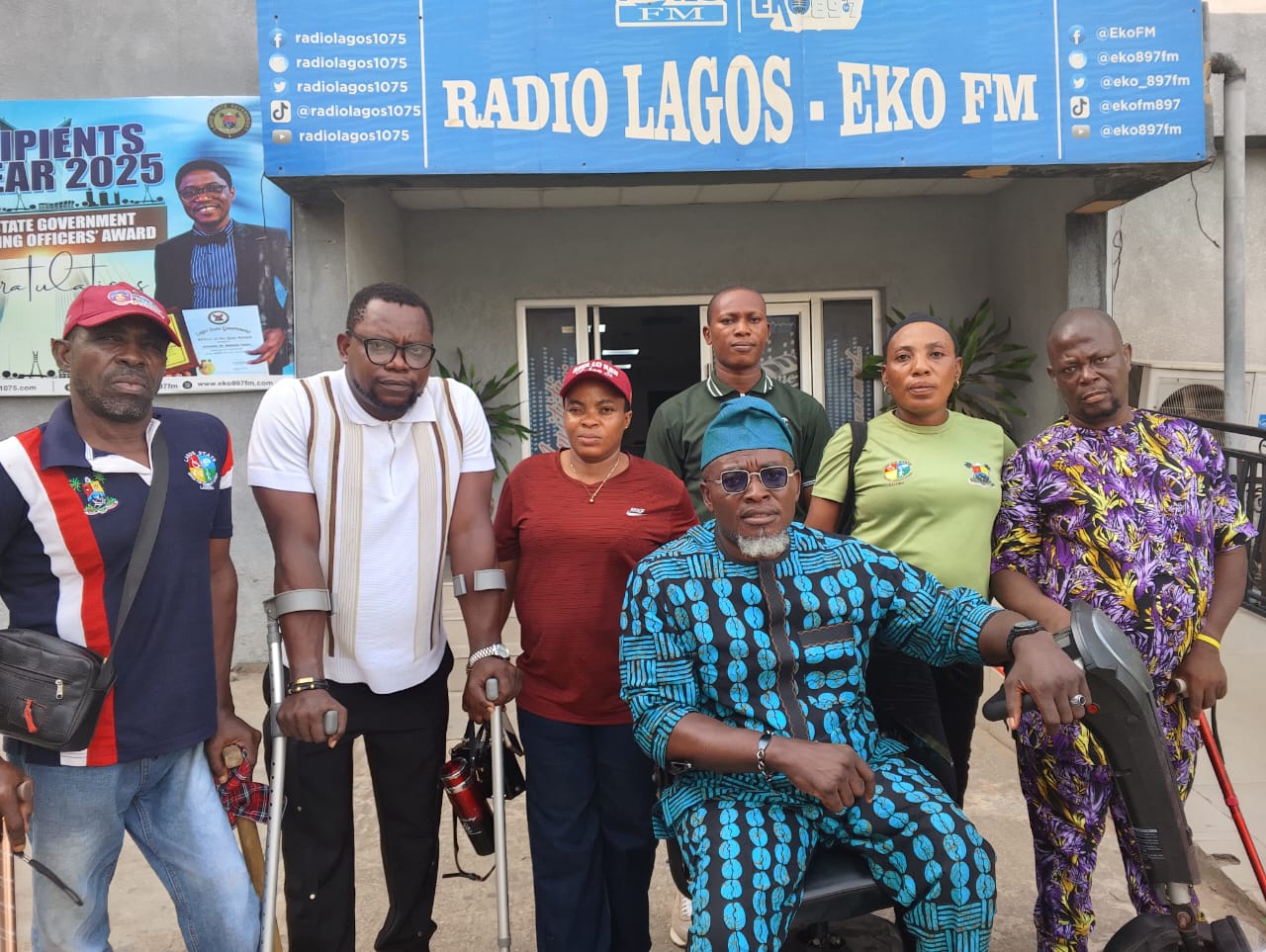
The association engaged Radio Lagos (Eko FM)—one of the most widely listened-to radio stations in the state—providing a valuable platform to connect with a broad and diverse audience.
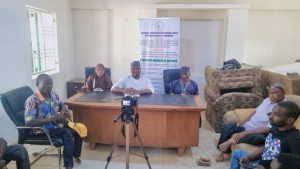
During the radio session, NAPWPD delivered a compelling presentation combining real-life experiences, case stories, and evidence of accessibility gaps across public spaces in Lagos. The discussion highlighted how inaccessible buildings, transport systems, and public services continue to limit the independence and participation of persons with physical disabilities.
The session also featured an interactive question-and-answer segment with journalists and presenters, allowing for deeper engagement on issues such as the implementation of the Discrimination Against Persons with Physical Disabilities (Prohibition) Act, 2018 and the everyday realities faced by persons with disabilities.
A key message from the engagement was the need to move accessibility issues from the margins to the mainstream of public conversation. NAPWPD emphasized that disability inclusion is not a niche concern but a societal issue that affects a wide range of people, including older persons and others with mobility challenges.
The association also called on media organizations to play a more active role in shaping narratives around disability by increasing coverage, telling human-centered stories, and holding institutions accountable for compliance with accessibility standards.
The successful collaboration with Radio Lagos demonstrates the impact of strategic media engagement in advancing disability advocacy. The engagement not only amplified critical issues but also strengthened pathways for sustained media partnership at the state level.
NAPWPD remains committed to working with media stakeholders, government institutions, and civil society partners to ensure that accessibility and inclusion remain at the forefront of public discourse and development priorities.