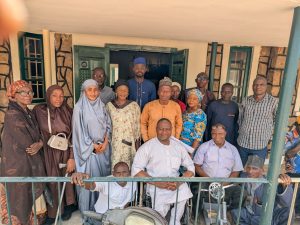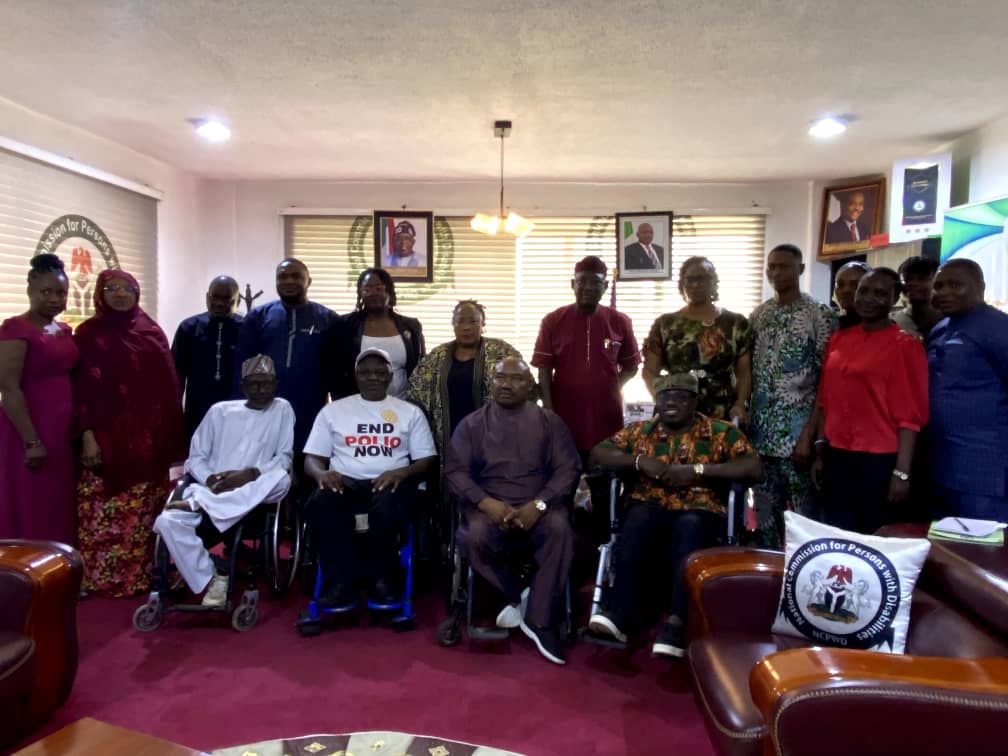
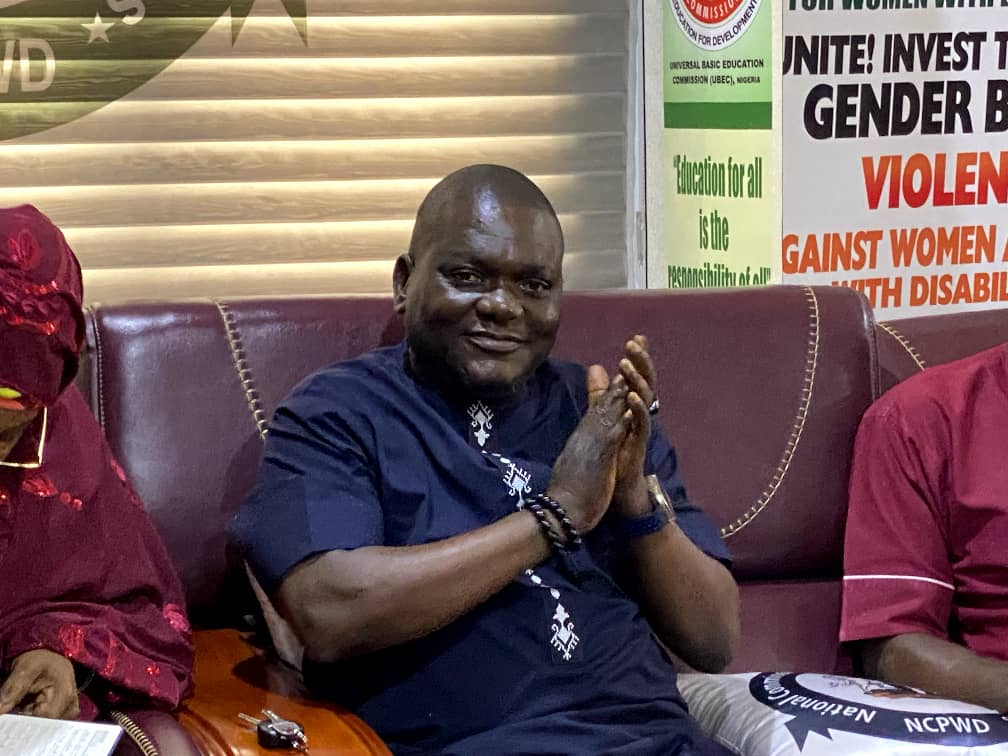
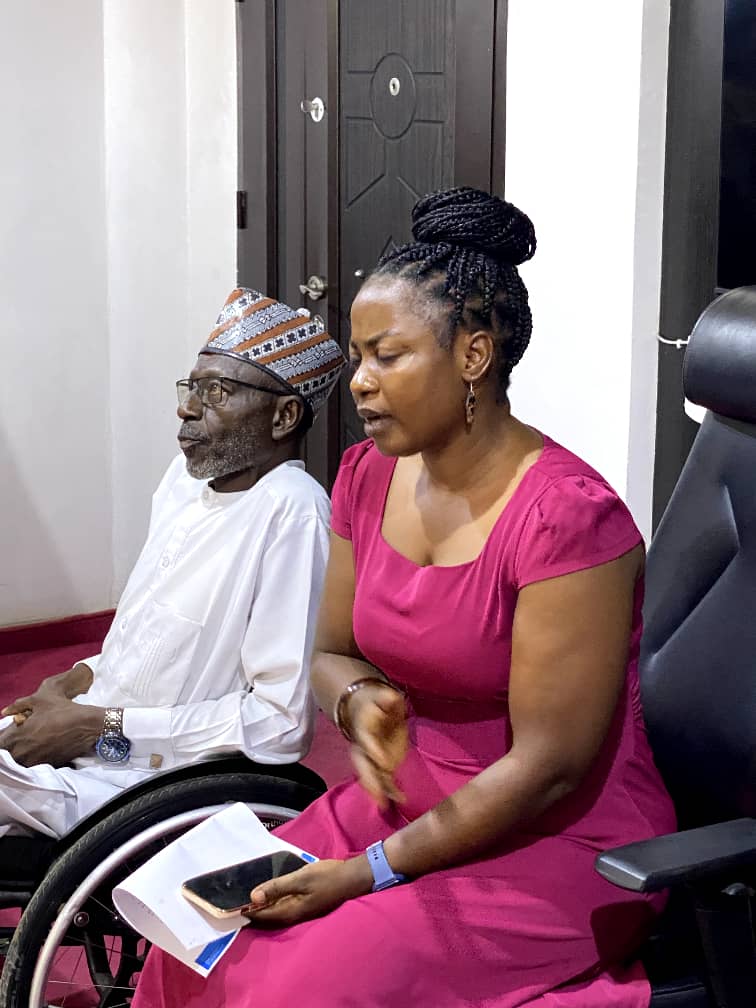
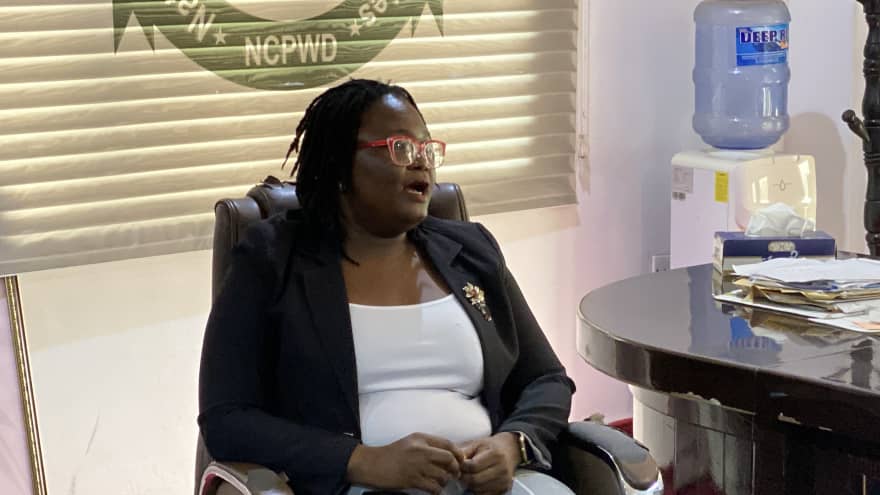
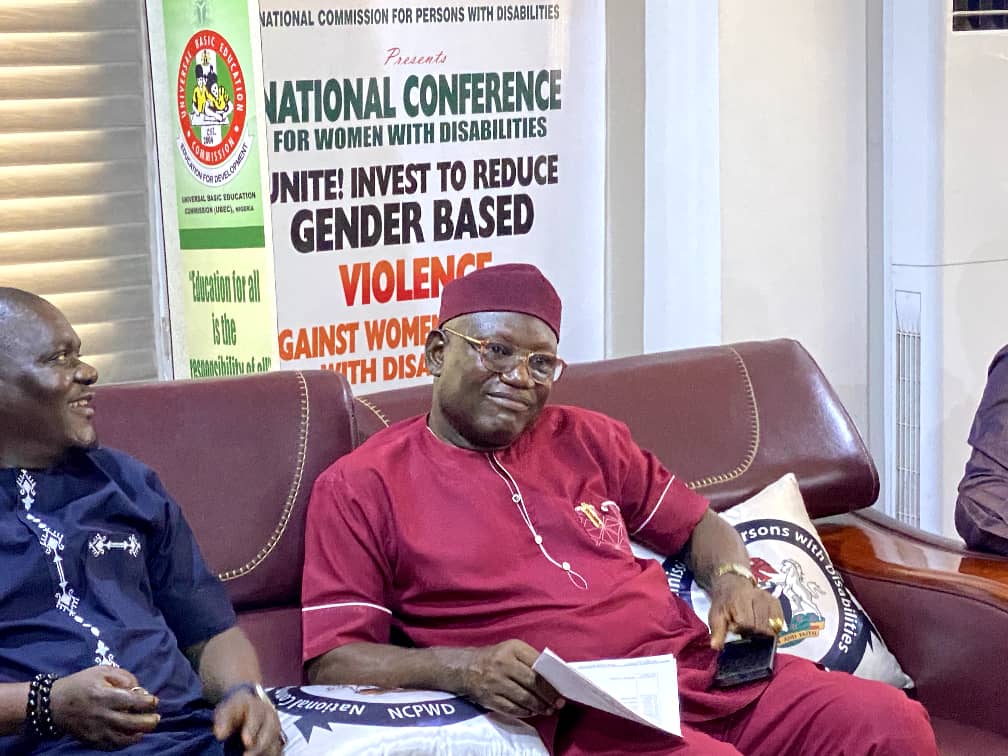
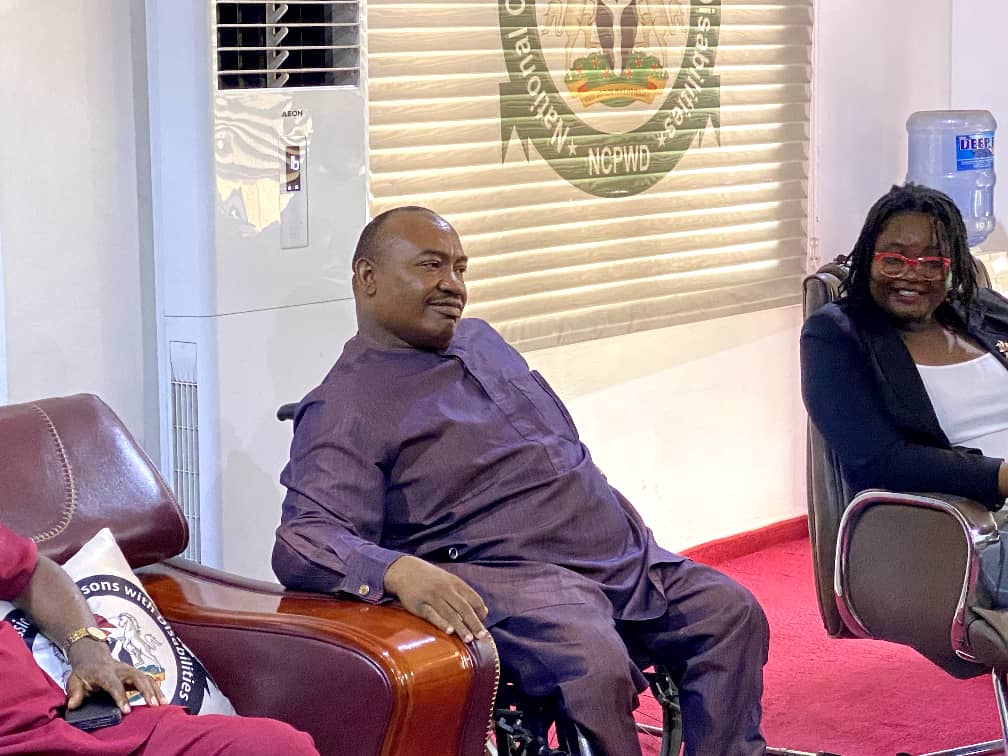
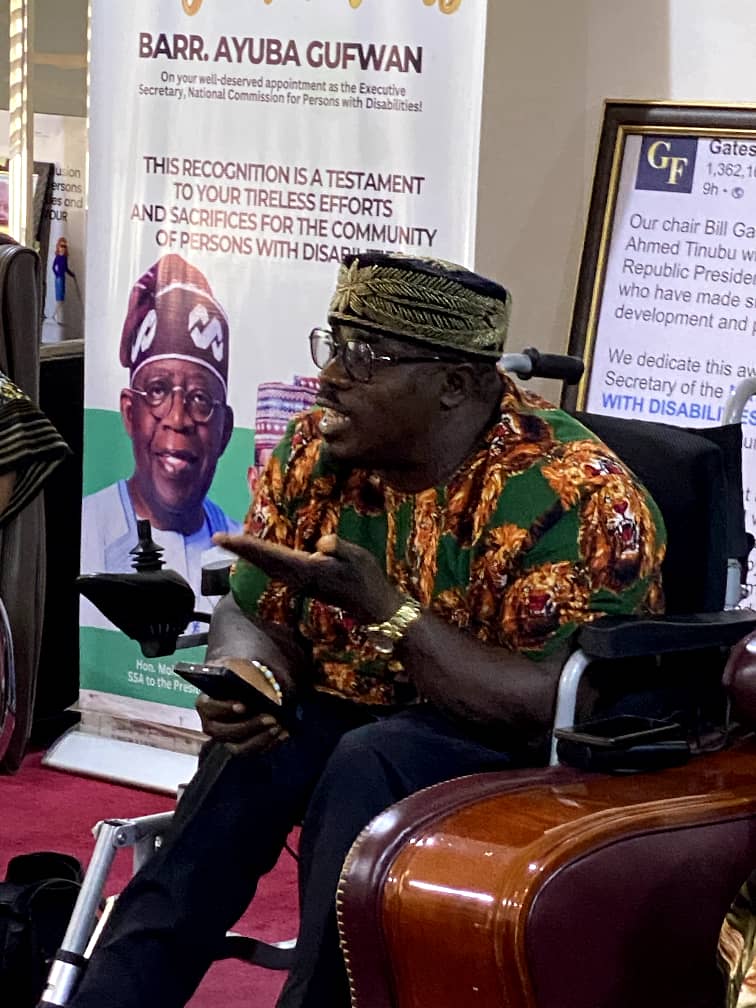
The National Association of Persons with Physical Disabilities (NAPWPD) held a strategic engagement with the National Commission for Persons with Disabilities (NCPWD) in Abuja to discuss the enforcement of accessibility laws and the continued barriers facing persons with disabilities across Nigeria.
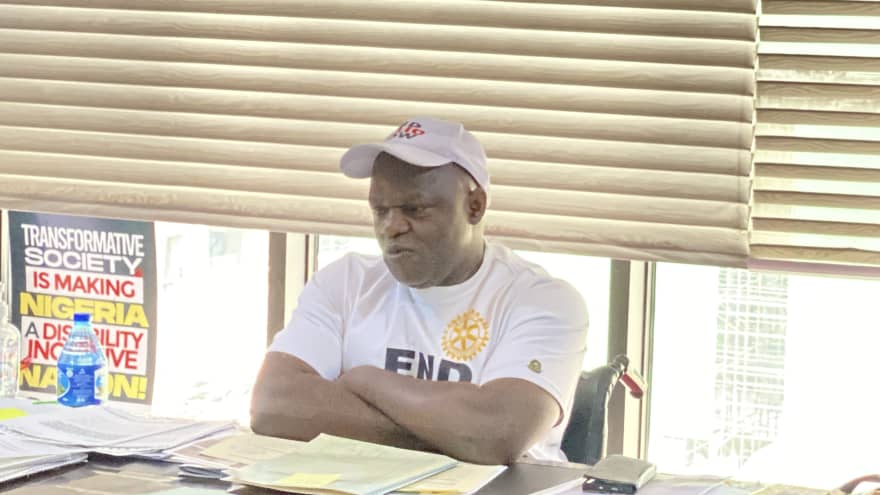
The meeting provided an opportunity for open and practical discussion on how far implementation has gone under the Discrimination Against Persons with Disabilities (Prohibition) Act, 2018, and more specifically, the Persons with Disabilities (Accessibility) Regulations, 2023. NAPWPD representatives acknowledged the establishment of the legal framework but expressed concern that enforcement remains weak in many sectors. Members shared real-life experiences of struggling with inaccessible public buildings, offices, airports, elevators, restrooms, and transportation systems. In many cases, even government facilities still present serious mobility challenges.
The Association emphasized that accessibility is not a favour and should not depend on personal sympathy. It is a legal requirement backed not only by the 2018 Act but also strengthened by the Persons with Disabilities (Accessibility) Regulations, 2023. The 2023 Regulations were developed to provide clear technical standards and detailed guidelines on how public and private buildings, infrastructure, and services must be designed or modified to ensure access for persons with disabilities.
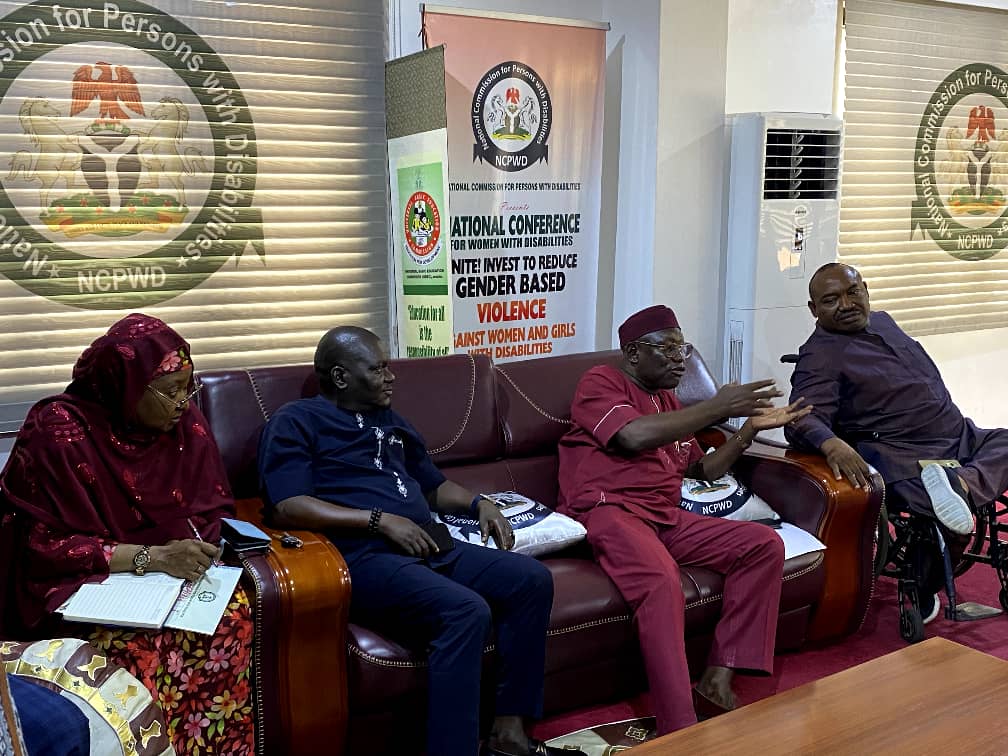
NAPWPD stressed that the 2023 Regulations go beyond general policy statements. They set measurable standards for ramps, entrances, parking spaces, elevators, restrooms, pathways, signage, and other structural elements. They also apply to new buildings and, where applicable, require modifications to existing structures. This means accessibility is no longer open to interpretation; there are defined standards that institutions must meet.
During the engagement, members raised concerns about the continued approval and construction of new buildings that do not appear to comply with accessibility requirements. The Association questioned how such projects are allowed to proceed when the law and the 2023 Regulations are already in force. It was emphasized that preventing non-compliant construction is more effective than correcting violations after buildings are completed.

The discussion also focused on the issuance of compliance certificates. NAPWPD recalled that the Commission had earlier introduced a compliance framework and asked when organizations that meet accessibility standards would formally begin to receive compliance certification. The Association maintained that the enforcement of compliance certificates is a key accountability tool. If institutions understand that certification is required and that non-compliance carries consequences, implementation will improve.
Members further highlighted the wider impact of inaccessibility on employment and productivity. When workplaces are not accessible, employers may be reluctant to hire persons with disabilities. Even when employment is secured, daily environmental barriers can affect performance and independence. The Association made it clear that accessibility is directly linked to economic participation, dignity, and equal opportunity. It was also noted that reports from accessibility audits show that a large percentage of public spaces still fail to meet required standards. This situation continues to place unnecessary hardship on persons with disabilities, making simple daily activities difficult and limiting full participation in society.

NAPWPD reaffirmed its commitment to supporting enforcement by reporting cases of non-compliance and working closely with the Commission. The Association also encouraged greater transparency in enforcement activities so that persons with disabilities across the country can see visible progress and understand the steps being taken.
In response, officials of the National Commission for Persons with Disabilities acknowledged the concerns raised and reiterated their mandate to enforce the law. The Commission assured the delegation that efforts are ongoing to strengthen compliance monitoring and implementation of the Accessibility Regulations, 2023. The engagement ended with a shared understanding that the success of the disability law depends not only on its existence but on consistent enforcement. For NAPWPD, the priority remains clear: accessibility must move from paper to practice.
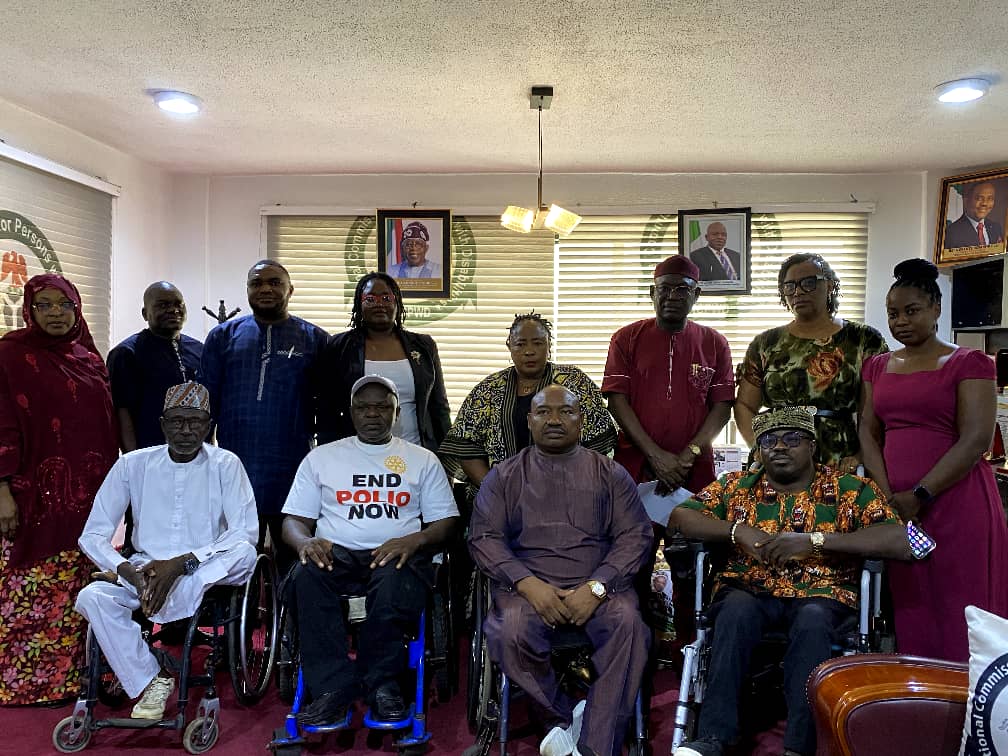
The Association restated its resolve to continue advocating for full implementation of the Persons with Disabilities (Accessibility) Regulations, 2023, and to work collaboratively with the Commission to ensure that Nigeria becomes a society where persons with disabilities can live independently, work productively, and participate fully without structural barriers.